For groups of 20 or more adults, please email us at [email protected]. This will help us better understand your needs and effectively manage your larger leisure group’s expectations.
Wings Over Byron: Discovering the Bird Trail at Elements
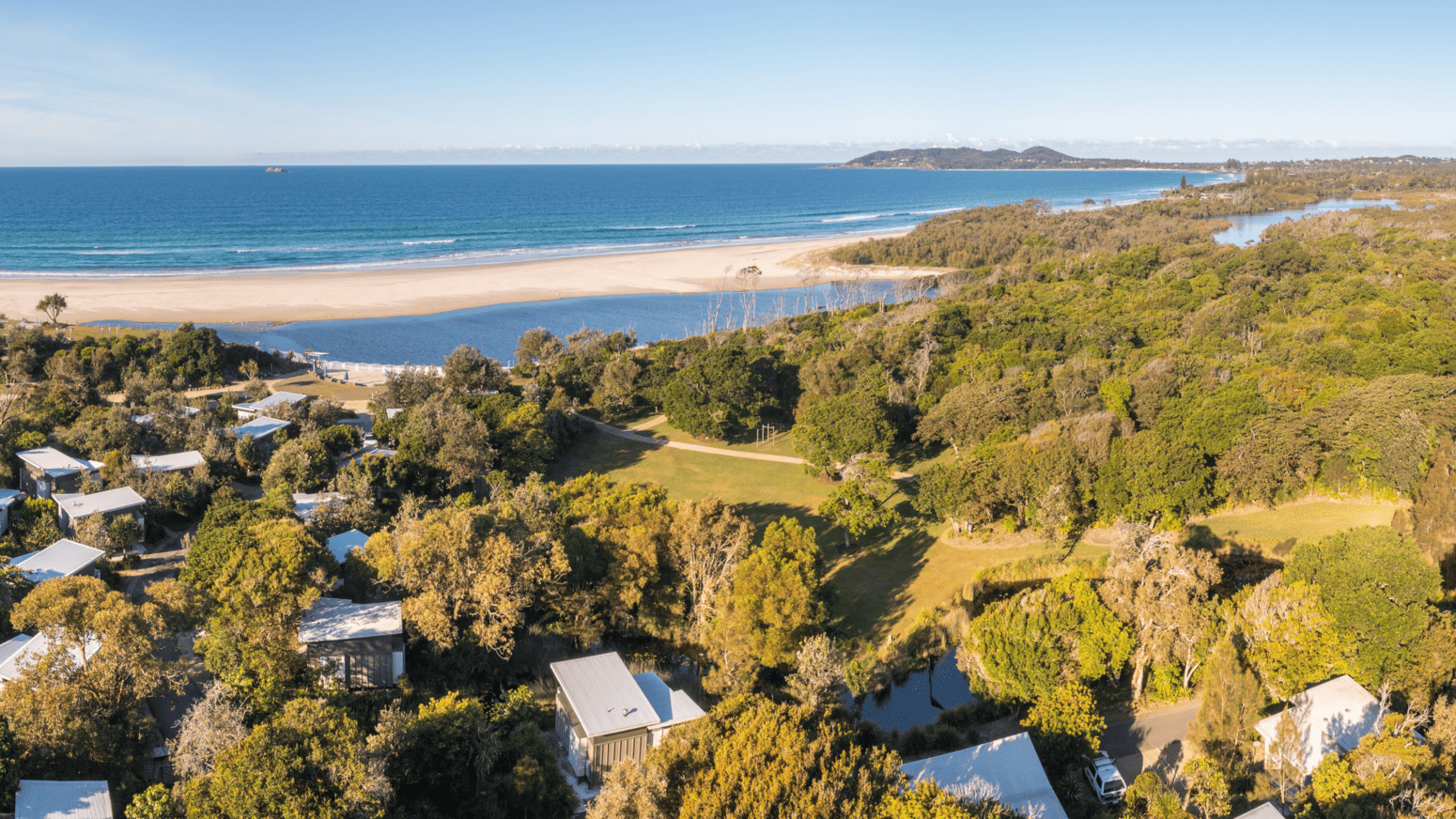
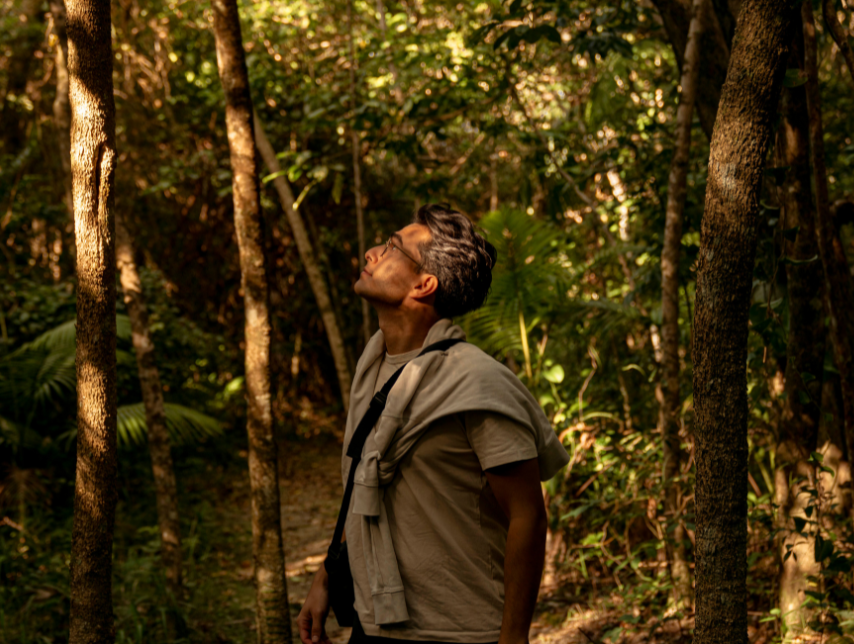
Tucked between rainforest, dunes and the sea, Elements of Byron is not just a luxury destination—it’s a sanctuary for over 120 bird species that call this extraordinary patch of coastal land home. The resort’s self-guided Bird Trail invites guests to immerse themselves in Byron’s natural rhythms, following a gentle path through four distinct ecologies: rainforest, eucalypt forest, wetlands and coastal dunes.
This is not your average birdwatching walk. It’s a conservation-led journey woven through regenerated landscapes that not only host birds—but help protect them.
Restoring Habitat, Returning Life
From its inception, Elements of Byron has been designed with the environment at heart. Large portions of the resort’s grounds have been carefully revegetated with native flora, including species such as banksias, grevilleas, melaleucas and she-oaks—selected specifically to support native birds through food, shelter and nesting opportunities.
This purposeful planting has created a vital refuge for vulnerable and migratory birds, some of which return seasonally, guided by ancient flight paths. Every tree, shrub and wetland edge plays a role in inviting life back to a landscape once impacted by development.
The Bird Trail is a key part of this story—a walking experience that deepens understanding, encourages awareness, and allows guests to witness first-hand the incredible biodiversity fostered on site.
A Path Through Four Ecologies
What makes the Bird Trail truly special is its diversity of habitats. Few places offer such ecological variety in such close proximity—and each landscape has its own symphony of birdsong and feathered visitors.
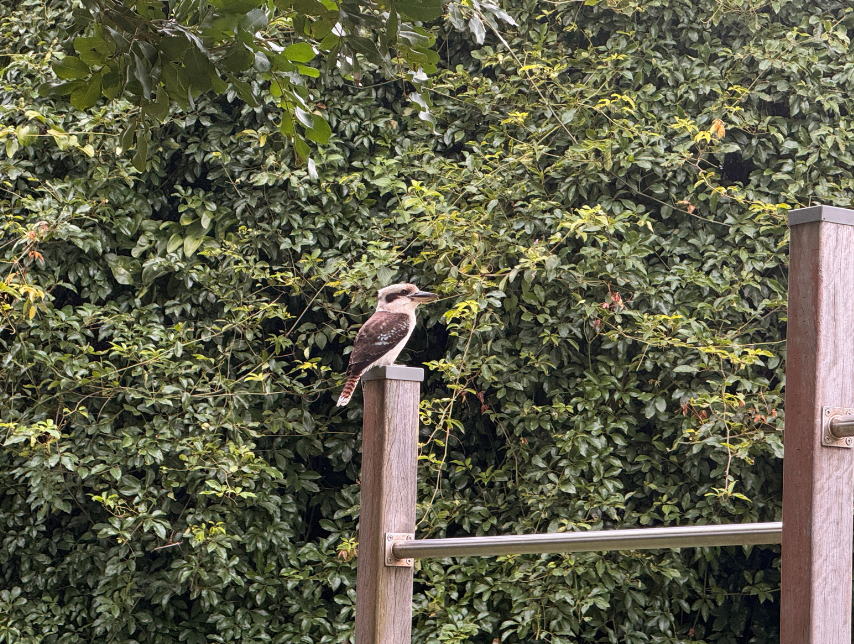
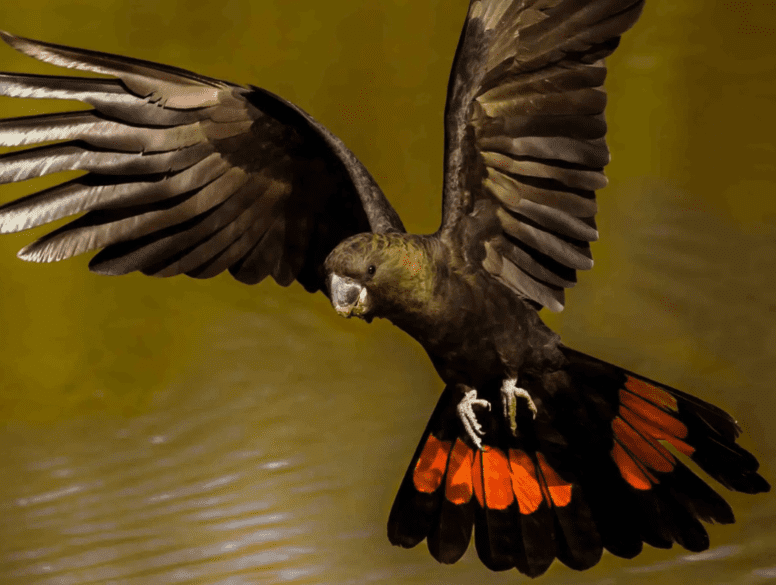
Eucalypt Forest Stately gums rise above the trail, offering nesting hollows and perches for Sacred Kingfishers, Laughing Kookaburras and Glossy Black Cockatoos—a vulnerable species that feeds exclusively on she-oak seeds.
Rainforest Shady, moisture-rich and alive with movement, the rainforest is home to Eastern Whipbirds, Yellow Robins, and Lewin’s Honeyeaters. These dense corridors provide essential protection for smaller species and abundant insect life.
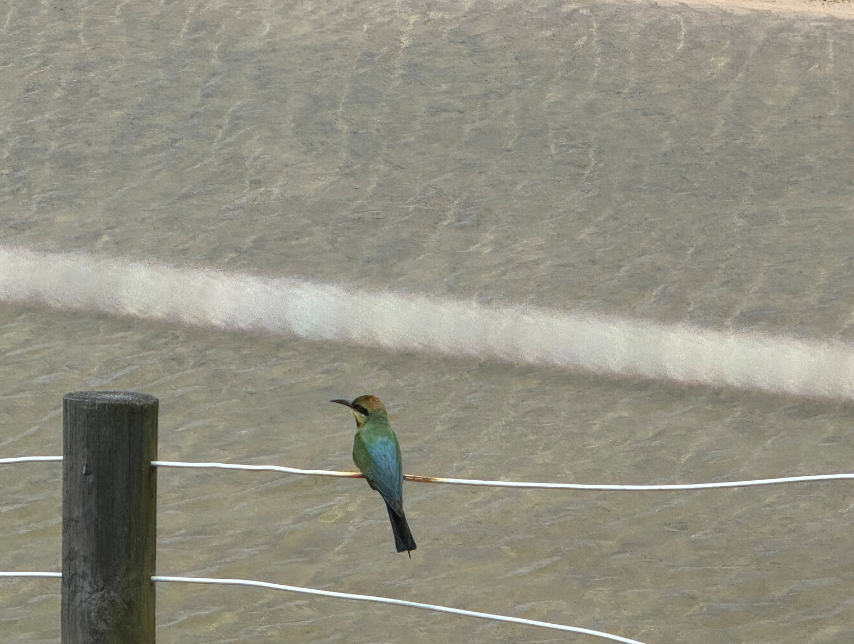
Wetlands These tranquil zones attract Azure Kingfishers, White-faced Herons, and insect-hunting Rainbow Bee-eaters. Wetlands are nature’s filtration system—supporting birds, frogs, and aquatic life while helping control floods.
Coastal Dunes Facing the ocean’s edge, the dunes are shaped by wind and sand, sheltering Ospreys, Kites, and Brush-turkeys. These exposed zones are essential nesting and foraging areas.
Interpretive signs along the trail help you identify key species and understand the relationships between birds and their environment—whether it’s the tail-wagging Willie Wagtail or the silent, watchful Tawny Frogmouth camouflaged in the trees.
Conservation Spotlights: Vulnerable Residents
Among the many bird species you may encounter, two stand out as conservation priorities in New South Wales:
Glossy Black Cockatoo (Calyptorhynchus lathami)
Often heard quietly cracking she-oak cones, this elegant, russet-tailed cockatoo is listed as Vulnerable due to habitat loss and a specialised diet. At Elements, native she-oaks planted across the site help support their return.
Where to spot them: Look near the northern trail or forest edges where she-oaks grow.
Eastern Osprey (Pandion cristatus)
This coastal raptor nests in tall trees or platforms near waterways and dives spectacularly for live fish. Ospreys are a key indicator of coastal health and are also listed as Vulnerable in NSW.
Where to spot them: Scan the skies near Belongil Estuary or the beachfront tree line.
Image credit: Birdlife Australia
Belongil Estuary: Byron’s Hidden Wetland Treasure
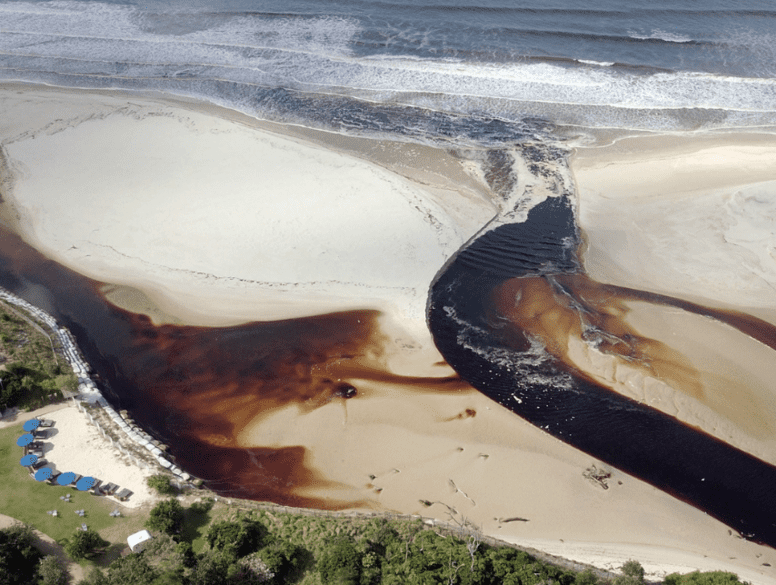
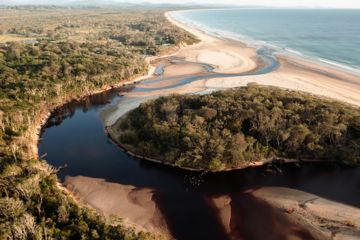
Just beyond the resort’s northern boundary lies Belongil Estuary, one of Byron Bay’s most breathtaking and ecologically important wetland areas. Though just 2.5km from town, it feels a world away.
Here, Belongil Creek meets the ocean, and a rich mosaic of saltmarsh, mangroves and tidal flats supports marine nurseries, water filtration, and a haven for countless bird species. The estuary is a vital part of the region’s environmental fabric—home to Little Terns, Egrets, Oystercatchers, Kites, and seasonal migrants like the Rainbow Bee-eater.
The dark tea-tree stained waters flowing from inland carry oils that soften the skin and perfume the air. These flows, combined with the movement of tides, continually reshape the estuary, sculpting a living, breathing landscape where land, sea and sky merge.
It’s not just beautiful—it’s essential. The estuary plays a role in coastal resilience, storm protection, and offers a refuge for birds that rely on changing wetlands. Visiting here deepens your understanding of Byron’s natural story—and why protecting it matters.
A Journey of Connection and Care
Whether you’re a seasoned birdwatcher or a curious first-time observer, the Bird Trail at Elements of Byron offers something more than a checklist—it’s an experience of deep connection. A way to slow down, listen, and engage with the more-than-human world.
With binoculars in hand and the sound of leaves overhead, you might see the flash of an Azure Kingfisher, or catch the courtship display of White-headed Pigeons beneath the rainforest canopy. These sightings stay with you, not only for their beauty—but for the awareness they bring.
By taking the trail, guests become part of a wider effort to protect what remains wild in this region. Each footstep supports the ongoing stewardship of Byron’s delicate ecosystems and the birds that depend on them.
Take the Trail. Let the Birds Lead.
Pick up a map from reception and explore at your own pace. Whether you venture out for twenty minutes or linger for hours, the Bird Trail is a rare chance to reconnect—with nature, with stillness, and with the wild beauty of Byron Bay.
Here are five of the best local Byron Bay walks to enjoy during your next visit.
Around Byron Bay
|
For nature lovers
We use cookies to track website use and to make the experience more relevant for you. You can change or block cookies anytime in your browser settings.
See our privacy statement for details. Read more